

Dry Riser Testing Manchester | BS 9990 Compliance

Walk into most converted mill buildings around Ancoats or Salford Quays and you will find a dry riser tucked into the stairwell, usually painted over, usually ignored. Nobody notices it exists until a fire and rescue crew needs to plug a hose into it and pump water to the twelfth floor. That is the entire […]
Fire Risk Assessments for Businesses | UK Law Guide

A fire risk assessment sits in a drawer until somebody asks for it. Then it becomes the single document that decides whether a business has a defence, or a problem, in front of an inspector, an insurer, or a court. Last year, fire and rescue services in England attended 13,134 fires in buildings other than […]
Fire Damper Service in the North West: What the Annual Testing Requirement Actually Involves
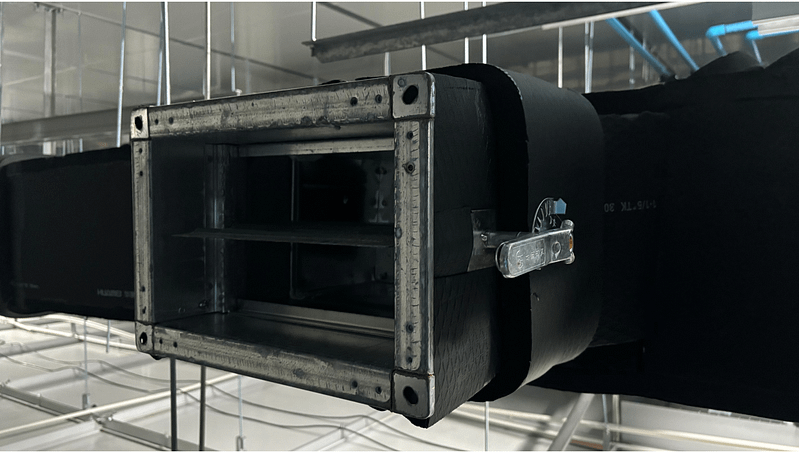
Fire dampers are tested less often than almost any other life safety system in a building. Industry guidance from the Building Engineering Services Association (BESA) acknowledges that fire damper testing is among the most commonly overlooked aspects of building compliance across the UK. Many facilities managers in the North West and Merseyside are genuinely uncertain […]
Fire Sprinkler Service and Maintenance Manchester: What Commercial Sites Need to Know About LPS 1048
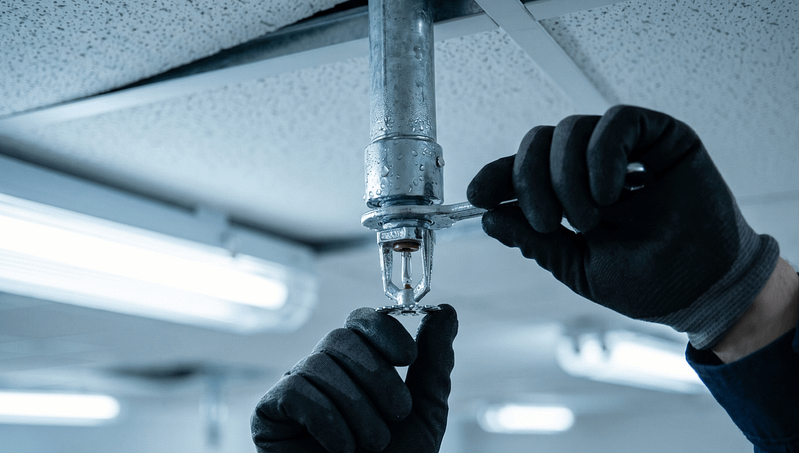
Most businesses think choosing a fire sprinkler company is straightforward. It is not. When a fire sprinkler system gets installed without LPS 1048 approval, the consequences reach far beyond the fire itself. Insurance policies can be voided, claims rejected, and the building’s responsible person held personally liable for a system that failed to meet the […]
How Often Should a Commercial Fire Alarm Be Tested?

Most facilities managers know fire alarm testing is a legal requirement. Far fewer can say with confidence what the testing schedule actually looks like, what records each test must produce, or what the consequences of a lapsed service certificate are. The answer sits in BS 5839-1, the British Standard for fire detection and alarm systems […]
Fire Alarm Regulations for Commercial Buildings in the UK: What You Are Required to Do

Commercial buildings in England and Wales are legally required to have a working, appropriately designed, and properly maintained fire detection and warning system. That much is widely accepted. Less understood is which specific laws apply, what they actually require of the person responsible for the building, and where personal liability sits when a system falls […]
Fire Damper Replacement: When It Is Required and How to Ensure Ongoing Compliance
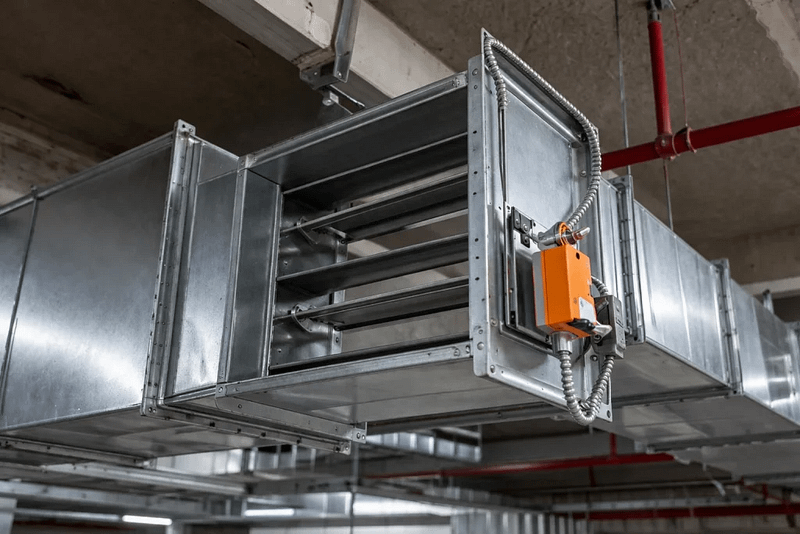
A failed inspection report is only the beginning of the problem. For building owners and facilities managers responsible for passive fire protection, a non-compliant damper creates a legal obligation that must be resolved promptly – and in many cases that resolution is fire damper replacement, not a temporary repair. UK fire safety legislation places clear […]
Dry Riser Testing Services: Legal Requirements, Testing Frequency and What to Expect
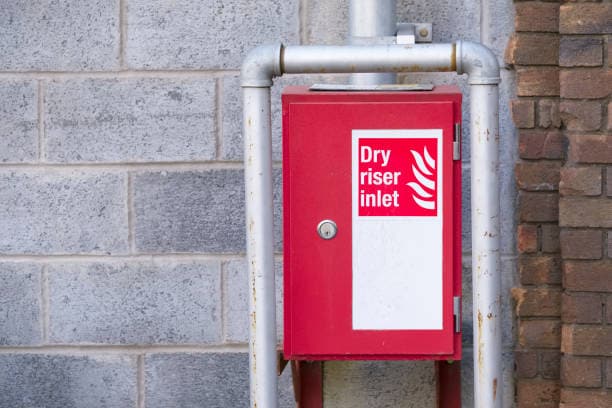
In the landscape of UK commercial fire safety, few systems are as vital yet as physically passive as the dry riser. For buildings over 18 metres in height, these vertical pipes are the primary conduit through which the Fire and Rescue Service (FRS) delivers high-pressure water to upper floors. However, because these systems sit empty […]
Fire Damper Inspection Services: What’s Required for Compliance and Who Should Carry It Out
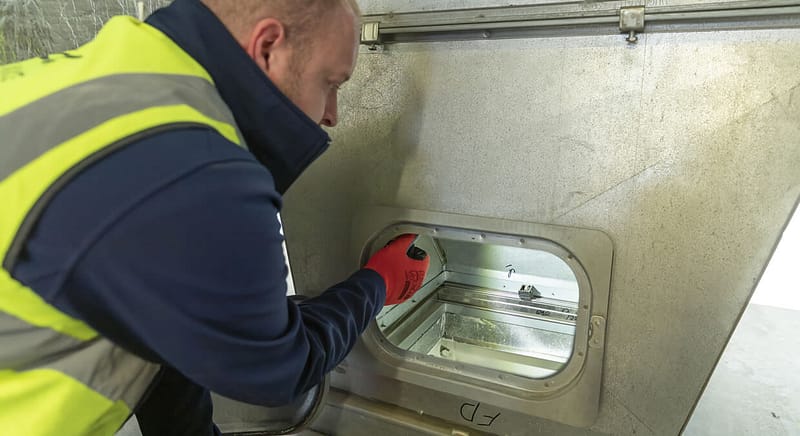
In the hierarchy of commercial fire safety, fire dampers are often the most overlooked components. Unlike fire extinguishers or alarm panels, fire dampers are hidden within a building’s ventilation and ductwork systems. However, their role in maintaining compartmentation is critical. When a fire breaks out, these devices are the primary line of defence against the […]
LPS 1048 Approved Fire Sprinkler Contractors: A Commercial Specifier’s Guide
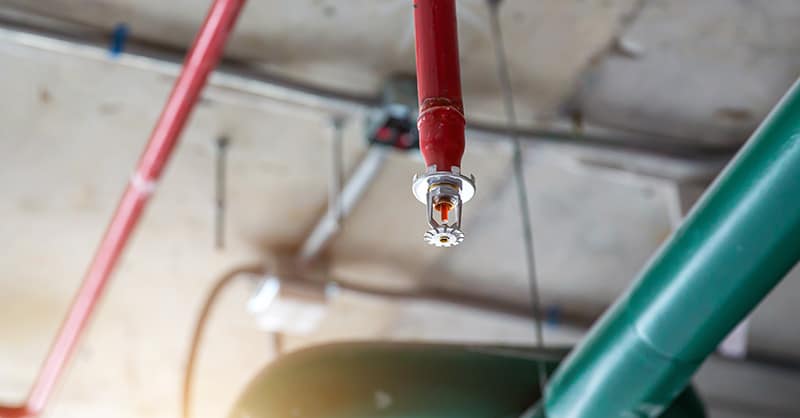
In the UK commercial property sector, fire safety is not merely a box-ticking exercise; it is a critical component of risk management, business continuity, and legal compliance. For property owners, facilities managers, and main contractors, the selection of a fire suppression partner is one of the most significant decisions in a building’s lifecycle. Central to […]
